LA NATURALEZA DEL PAISAJE
La Naturaleza del Paisaje is an artist residency programme and contemporary art research platform developed in the Montes de Toledo, Spain.
www.lanaturalezadelpaisaje.es/centro-de-residencias-artisticas/
www.instagram.com/lanaturalezadelpaisaje/
Since 2017, the project has developed a programme of artist residencies, exhibitions, audiovisual productions and academic and cultural activities centred on the relationship between contemporary art, landscape and the natural environment.
La Naturaleza del Paisaje understands landscape not simply as a visual setting, but as a territory for thought, experimentation and artistic action. Its approach brings together art, ecology, memory and culture, inviting artists to work directly with the physical, ecological and cultural conditions of a specific place.
The residency programme offers artists an opportunity to step outside conventional urban and institutional contexts and develop projects through observation, fieldwork, experimentation and direct engagement with the territory.
ART, LANDSCAPE & TERRITORY
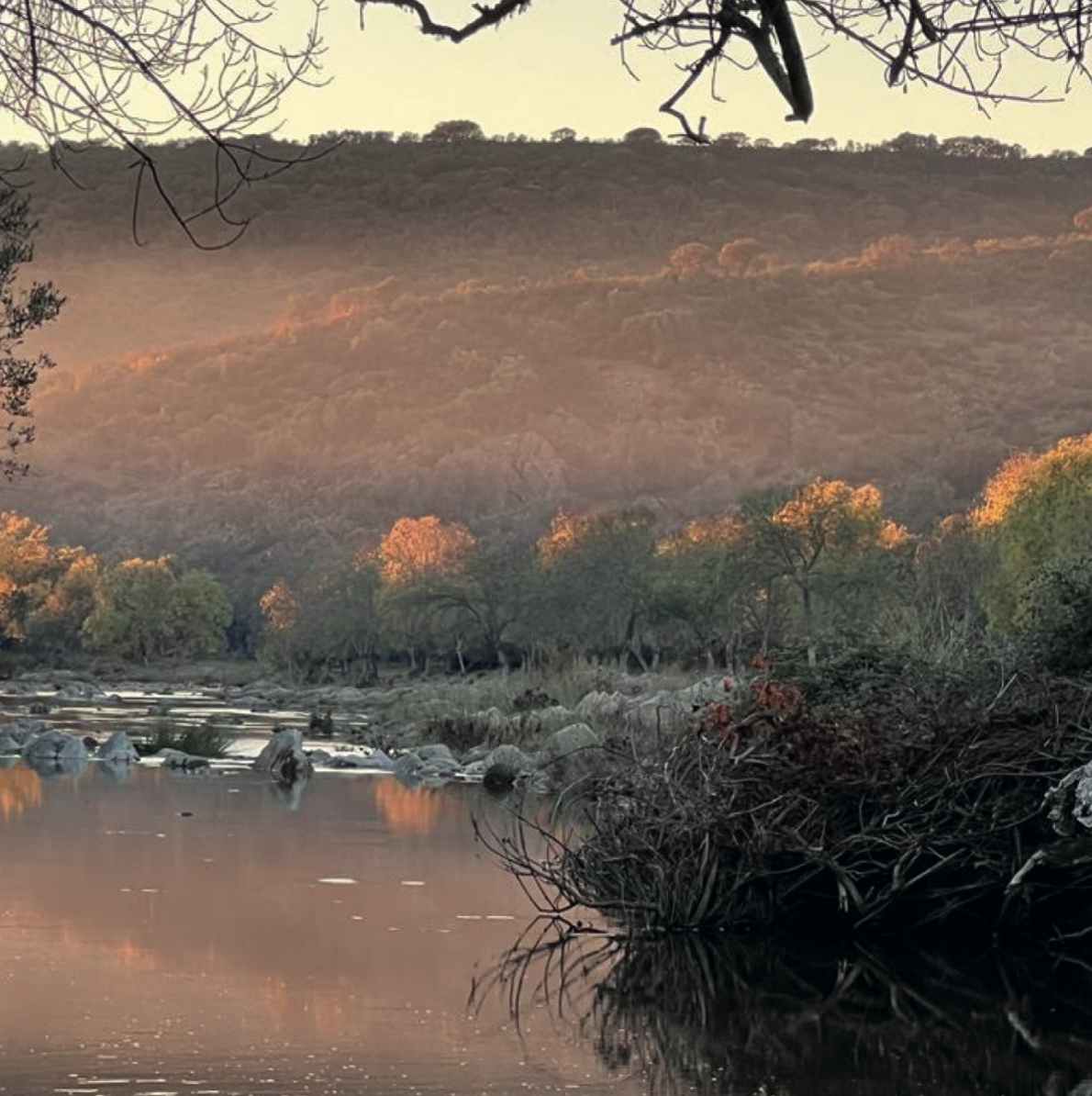
The residencies take place in the Montes de Toledo, within a privately managed landscape of approximately 700 hectares of Mediterranean forest, crossed by a river and shaped by a diversity of ecosystems including woodland, pasture, riparian areas and cultivated land.
Located close to Cabañeros National Park, the residency provides a context in which artistic practice can develop through close contact with the rhythms, materials and ecological processes of the landscape.
Rather than treating nature as a passive backdrop, La Naturaleza del Paisaje encourages artists to approach the territory as an active field of research. The landscape becomes both the subject and the working environment of the artistic process.
ARTISTIC RESEARCH IN THE NATURAL ENVIRONMENT
The programme supports contemporary artistic practices that emerge through observation, experimentation and field-based research.
Residents are encouraged to explore the relationships between human activity, ecosystems, memory and place, developing projects that respond directly to the environmental and cultural conditions of the territory.